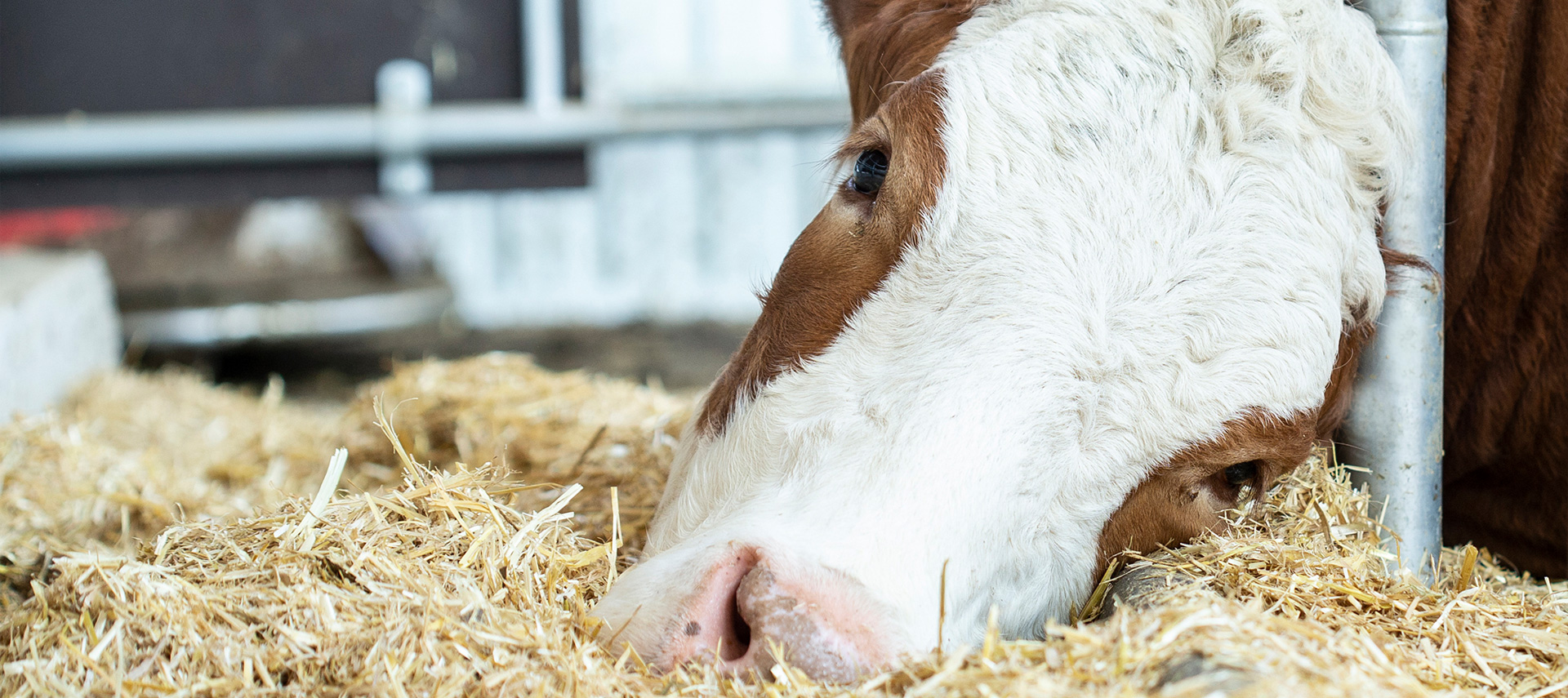
Elevated stall or deep bedded stall? The right lying system for everyday farm use
“Milk is produced while cows are lying down” - there is much truth in this well-known statement. The udder receives particularly good blood circulation when cows are lying down and rumination also takes place predominantly during this resting phase. This makes a free stall that provides cows with safety, softness, freedom of movement and hygiene all the more important.
Whether elevated stall or deep bedded stall: there is no universally applicable “gold standard”. Both systems can work in an animal-friendly and economically efficient way. What matters is that the chosen concept is a lasting fit for the management and work routines of the individual dairy farm.
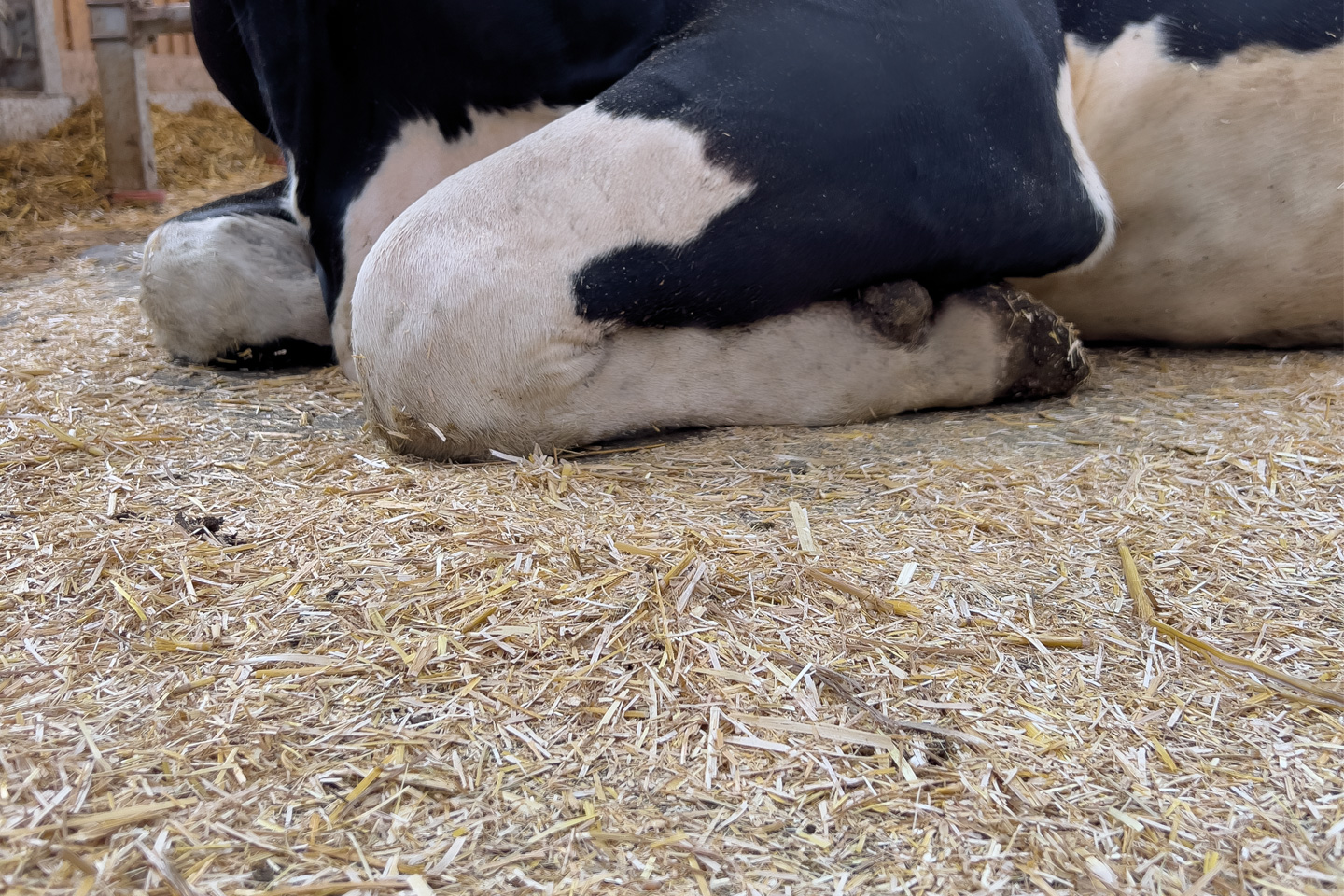
Deep bedded stall: high comfort with consistent maintenance
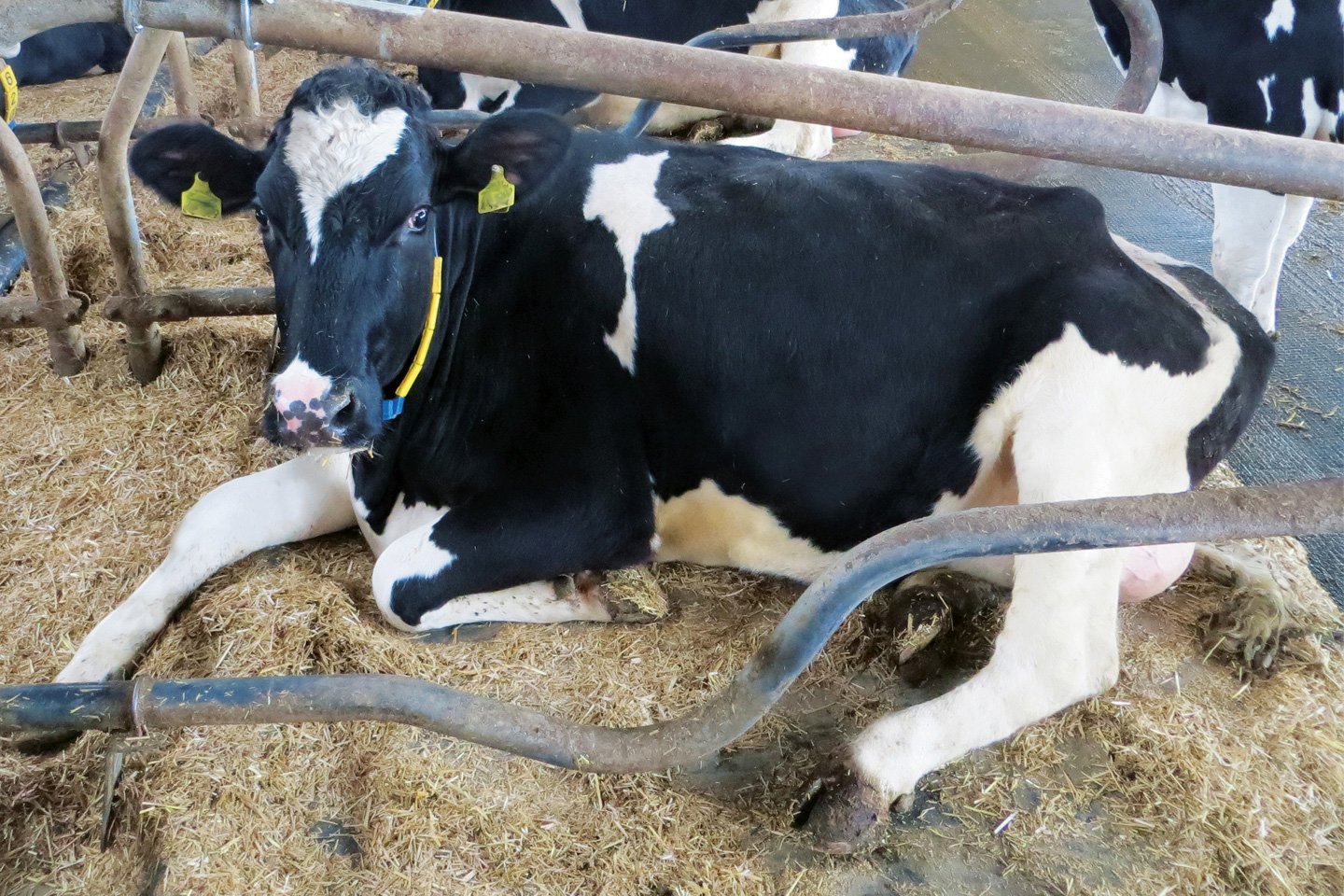
Well-maintained deep bedded stalls are readily accepted by cows. A thick, level and continuous mattress of organic material provides a soft surface that is gentle on the joints. However, the comfort of a deep bedded stall depends entirely on its state of maintenance. If too little bedding is added or bedding is applied irregularly, the mattress can become uneven and develop hollows. Moisture remains in the stall longer, the surface becomes less attractive and lying times may decrease. This creates a particular risk in the front area, where cows may lie on a hard surface, potentially placing stress on the carpal joints.
POLSTA offers a solution to this problem. The around 10 cm thick deep bedded stall cushion replaces part of the base layer in the difficult-to-maintain head area and supports a comfortable, even lying area. Its structured surface holds bedding securely and helps reduce the effort for maintenance and bedding use. Studies conducted by the Austrian HBLFA Raumberg-Gumpenstein have shown that significantly less bedding and labor are required and that carpal joints become healthier on POLSTA within a short period of time ¹.
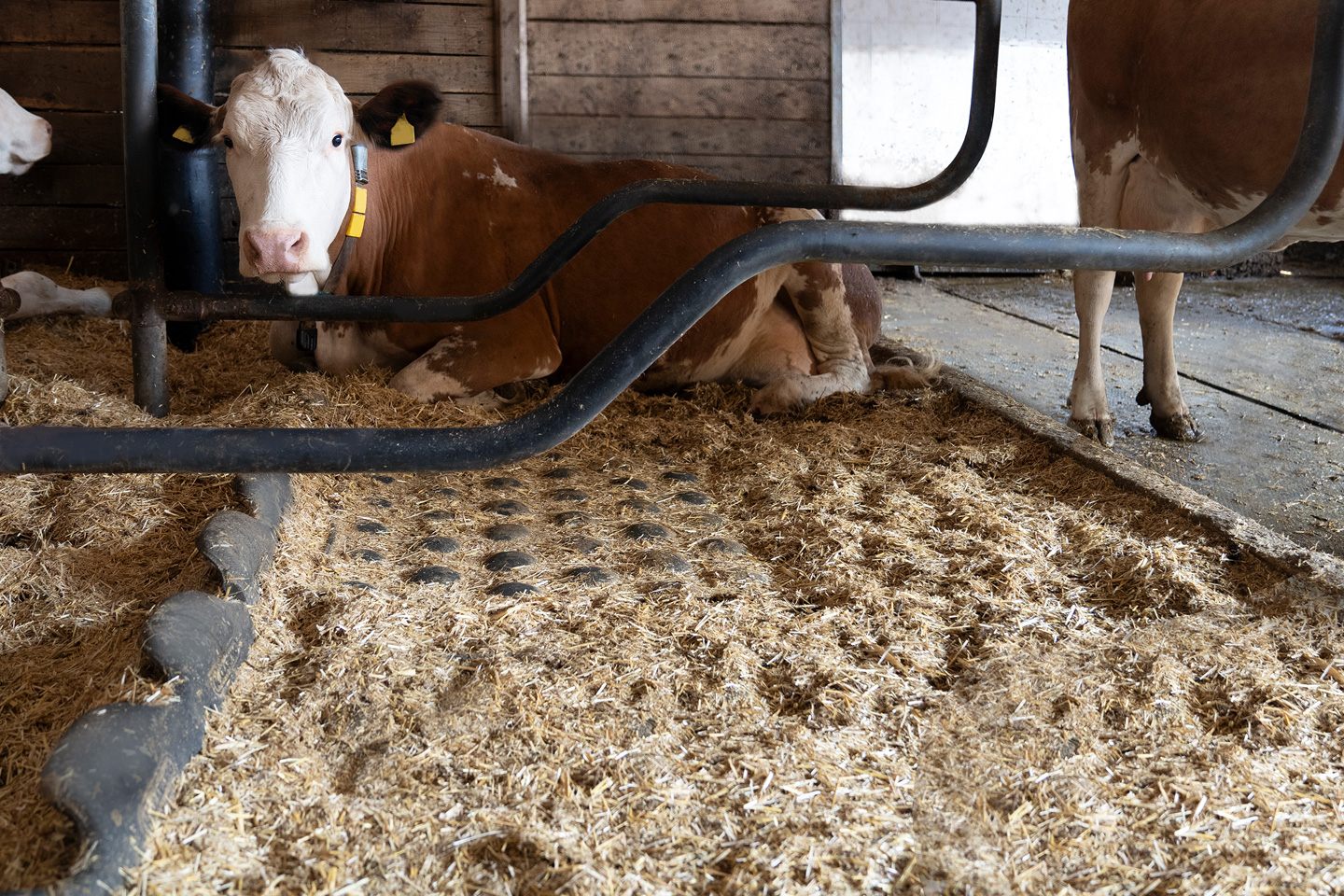
For a deep bedded stall to function effectively over the long term, sufficient bedding material, expertise in building the mattress and consistent daily maintenance are essential. The higher labor and material requirements should be realistically taken into account during barn planning.
Elevated stall: consistent softness with reduced maintenance requirements
Elevated stalls with high-quality, soft lying mats provide a consistently comfortable surface over the long term. Unlike a deep bedded stall, the comfort of the mat remains even when less bedding is used temporarily. This can be particularly valuable during periods of peak workload.
However, the quality of the lying mat is crucial: mats without sufficient softness can put stress on the joints. Comfortable, elastic systems that meet the requirements of DIN 3763 should therefore be selected for dairy cattle, taking into account not only softness but also criteria such as slip resistance and durability. KRAIBURG offers a wide range of suitable lying mattresses.

Elevated stalls also require maintenance. A thin layer of dry, absorbent bedding binds moisture, supports a hygienic lying area and protects the skin and coat. Even a modern elevated stall cannot function without bedding and daily checks.
Space and hygiene are crucial in every system
Regardless of the free stall system, cows need sufficient space to lie down naturally, rest comfortably and get up safely. Lying areas that are too short or overly restrictive positioning devices encourage diagonal lying and positioning too far back. This can compromise the cleanliness of the free stalls and the cows.
A dry surface with a consistent layer of bedding is equally important. It reduces the germ load in the free stall and helps prevent skin irritation and joint lesions caused by lying. Regular maintenance must therefore be firmly integrated into daily barn routines - with significantly greater effort required for deep bedded stalls than for elevated stalls.
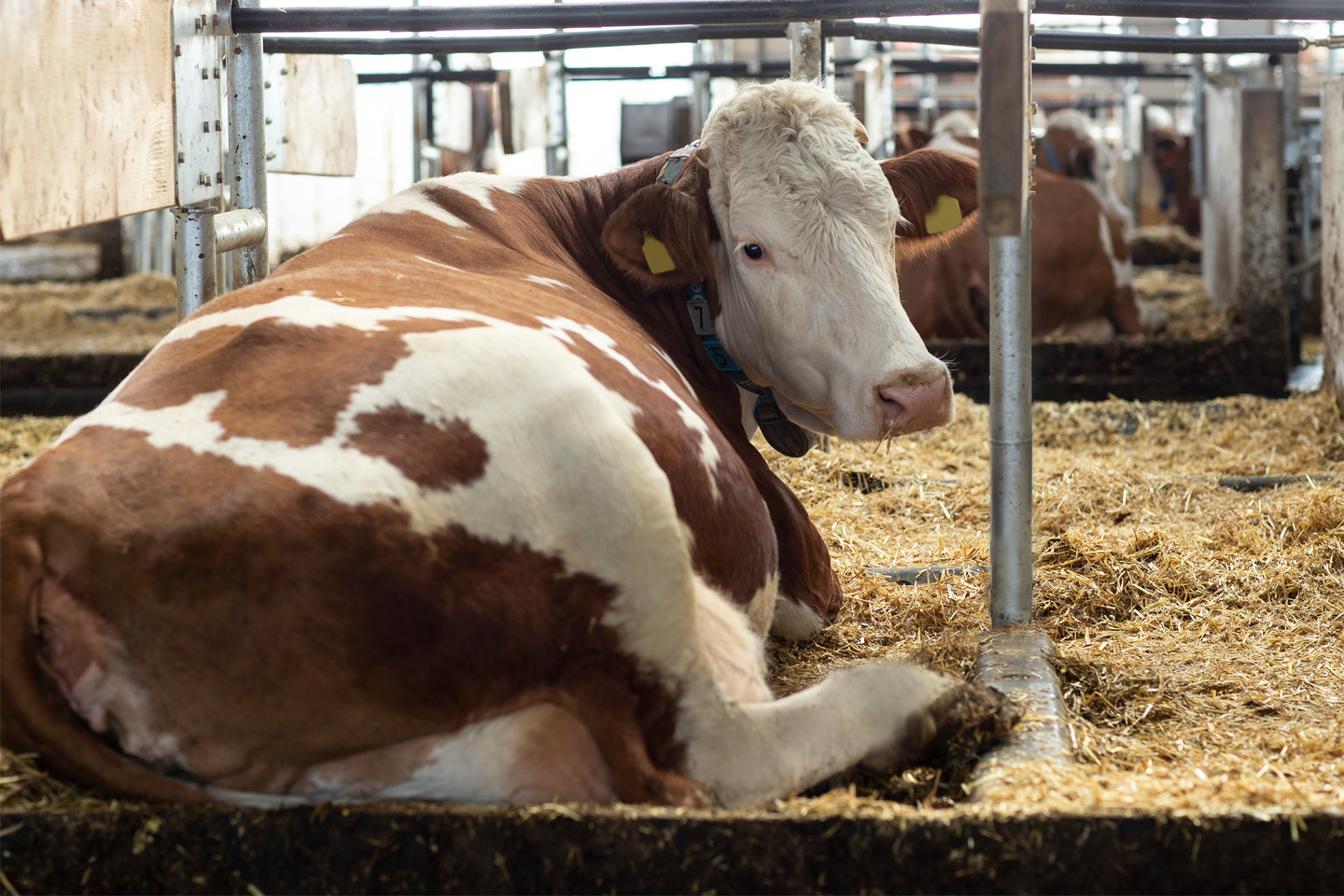
A combined system as an alternative
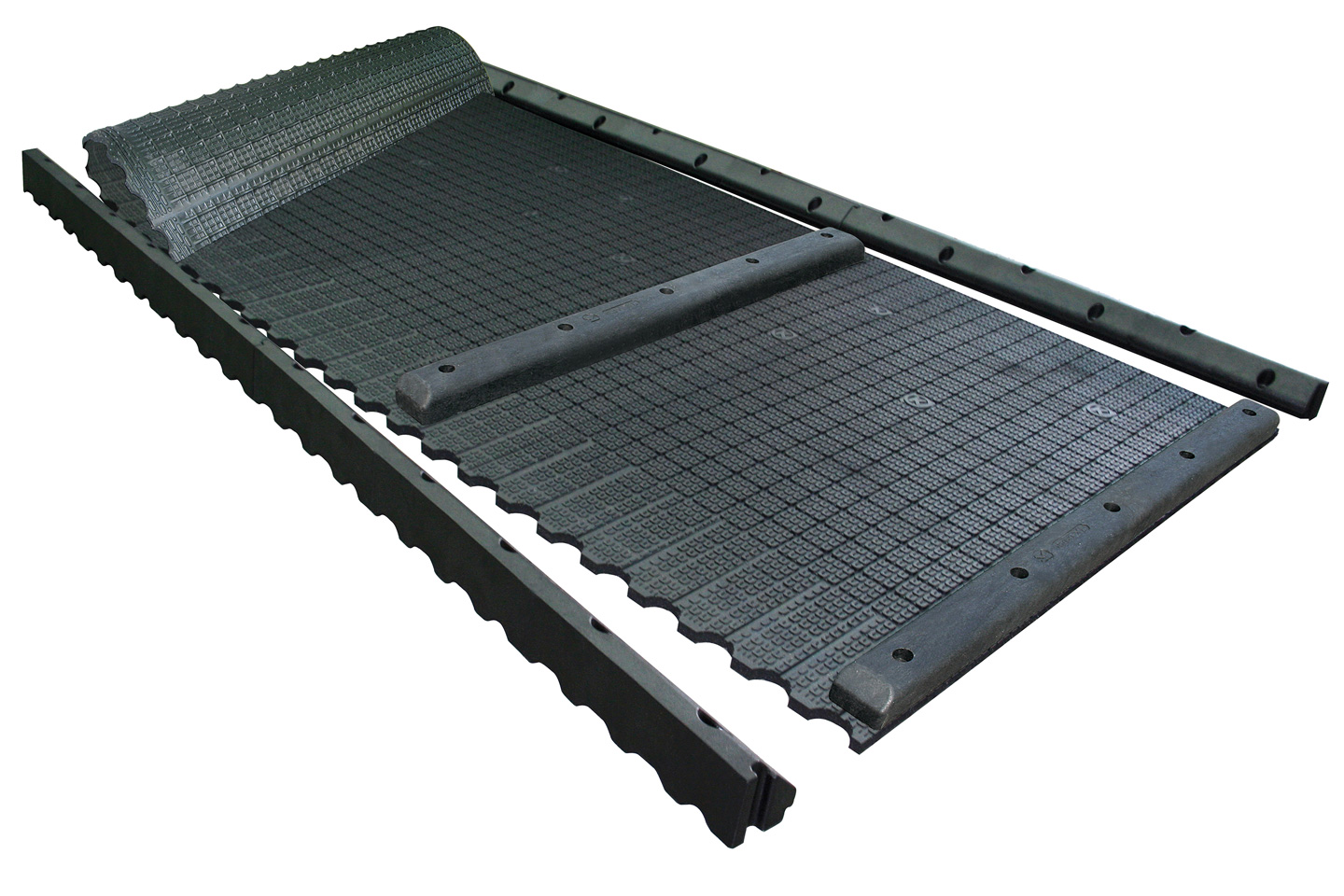
For farms looking to combine the advantages of both systems, combined solutions can be an interesting option. With maxiBOX, KRAIBURG offers free stall flooring for elevated deep bedded stalls. The rubber matting supports consistent softness, keeps loosely applied bedding materials in the free stall more effectively and enables flexible management, including the use of a straw-manure mattress. A rubber brisket board and a bar with integrated drainage openings at the rear complete the system. The longitudinal bars as lateral lying area boundaries reduce bedding displacement.
A bespoke solution is what counts
The decision between an elevated stall and a deep bedded stall should not be based solely on the desired free stall system. What matters is an honest assessment of the farm’s own work situation: Are sufficient time, staff and suitable bedding materials available for the intensive maintenance required by deep bedded stalls? Or does an elevated stall with soft free stall flooring provide the more reliable solution for day-to-day farm operations?
When lying comfort, space allowance, hygiene and maintenance are consistently considered together, both systems can contribute to healthy, well-rested and productive cows.
¹ Pausch, Moser, 2020; Ofner-Schröck et al., 2018.
Further information:
Guide Elevated stall or deep bedded stall
Press information More space for a natural lying position
Guide Cow-friendly lying
Guide The perfect free stall
Information on Long lying areas
View Products
Download all images of this press information in print quality.
Download image packageDownload the complete press information as a PDF.
Download as PDFThe images may only be used free of charge in an editorial context relating to KRAIBURG Elastik, provided that the image credit ‘KRAIBURG Elastik’ is included. Any other use requires prior written consent. Please send a copy or a link to the publication.
About KRAIBURG Elastik
Gummiwerk KRAIBURG Elastik GmbH & Co. KG has been developing and manufacturing elastic rubber flooring for cattle and horse housing since 1968. In Tittmoning, Germany, around 200 employees combine experience in rubber processing with practical product development. The aim is to support animal welfare, safety, performance and efficient barn management with innovative solutions. The DIN-compliant products are tested in the company’s own laboratory, in test barns and by independent institutes. KRAIBURG Elastik holds the DLG quality seal ‘CONTINUOUS MONITORING’. The barn flooring specialist is committed to resource-saving production and repurposes tire rubber as a raw material for robust flooring. The company is part of the KRAIBURG Group.


